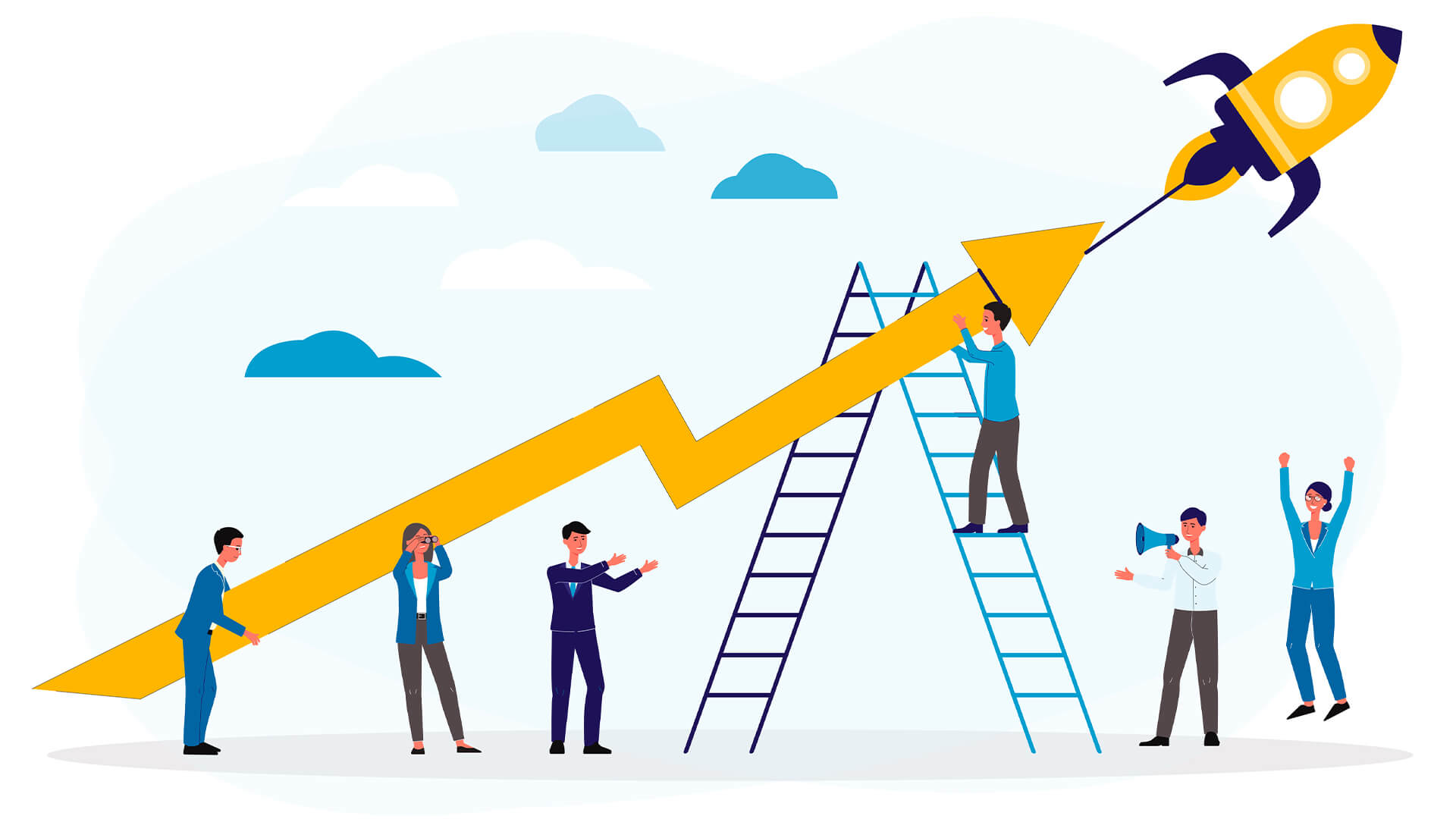
Big corporations used to run the show in most industries. They had deep pockets, lots of brand power, and enough influence to keep new players out. But things have shifted. Startups are turning industries upside down by rolling out fresh tech, fast-changing strategies, and totally new ways to give customers what they want.
These companies aren’t just trying to compete and they’re actually rewriting the rules for how business works in today’s digital world. Whether it’s finance, healthcare, retail, or transportation, startups are pushing markets to evolve and making the old guard rethink their playbooks.
Why Startups Move Faster Than Traditional Companies
A big reason startups are shaking things up? Speed. Traditional businesses get bogged down by rigid structures and endless decision layers, not to mention those outdated systems that seem built to resist change.
Startups aren’t weighed down like that. Smaller teams mean they can make decisions quickly and try out new ideas without much fuss. If something’s not working, they switch directions. New products? They get them out faster than most big companies could ever hope for.
Since they don’t have legacy systems or ancient processes holding them back, startups can tackle today’s problems head-on, using the latest tech. That flexibility gives them the edge in fast-moving digital markets.

Technology Is the Engine Behind Startup Innovation
Tech is really what powers startup disruption. A lot of new companies base their entire business on digital platforms, AI, big data, and mobile apps. These tools let startups deliver faster service, cut costs, and zero in on what customers want. Sometimes they even manage to offer better solutions for less money than the traditional players.
Look at what’s happened in transport and lodging. Platforms like ride sharing and home sharing have totally changed how people travel and find places to stay. The old middlemen? Gone. Now customers connect straight to providers.
Industries Being Transformed by Startups
You’ll find startup disruption all over the place. Healthcare, finance, retail, and these sectors are seeing huge changes. Healthcare startups are rolling out telemedicine, wearable tech, and apps to manage patients. Doctors can now keep tabs on people remotely, and more folks get easier access to care.
Finance is seeing a revolution too. Fintech startups are bringing in stuff like peer-to-peer lending, digital payments, and mobile banks. People can handle their money faster, cheaper, and from just about anywhere.
Retail’s changed a lot as well. With online shopping, folks can buy anytime. Startups use social media to build communities and closer relationships with their customers, way beyond what most old-school retailers ever managed.
Economic Impact of Startup Growth
Startups don’t just shake up industries. Now they actually help the economy. They create jobs, bring in new tech, and boost overall growth. Sometimes they invent whole new markets or totally change existing ones. As they expand, they hire engineers, designers, marketers, and anything you name it.
They also make goods and services easier to get and more affordable. By taking on the big companies, startups force everyone to step up their game. That competition? It benefits consumers and keeps the whole economic system healthy.
Challenges Startups Still Face
It’s not all smooth sailing. Startups have their fair share of obstacles. Money is usually the biggest problem. Early-stage businesses need funding to build their products, attract talent, and grow. Going up against big corporations isn’t easy either. The big guys have brand power and piles of cash.
And then there’s regulation. Rules in industries like healthcare or finance are strict, and for good reason. But they can slow down innovation and make it tougher for startups to get a foot in the door.

How Traditional Businesses Are Adapting
Plenty of established companies are starting to pay attention to startup tactics. Instead of fighting disruption, they’re leaning into it to pushing their own innovation and digital upgrades.
Some invest in partnerships with startups or set up innovation labs inside their own walls. Others just buy startups outright and bring their tech onboard. By honing in on what they do best but also embracing modern tools, traditional businesses can stay in the game, even as the market keeps changing.
Startups are shaking up the business world and moving quickly, leaning into tech, and giving customers fresh experiences. Because they’re flexible, they can take on industries that giants used to control.
Conclusion
Yeah, funding challenges and rules can slow them down. But startups don’t really stop. They’re reshaping industries, helping economies grow, and creating new chances for founders and customers alike. With technology speeding ahead, startups aren’t going anywhere. Companies that figure out how to collaborate, upgrade their tech, and stay entrepreneurial will be the ones who thrive as things keep changing.